
How Long Do Garage Door Springs Last
Sturdy garage door springs are very important for door operation, yet they often go unnoticed until something goes wrong. Knowing how long garage door springs last can prevent unexpected repairs and keep your home or business safe.
Whether you’re planning to install new springs or simply curious about their longevity, this guide will walk you through everything you need to know. From types of springs to signs that it might be time for a replacement, we’ll tell you all.
How to Determine Garage Door Spring Lifespan?
If you want to determine the lifespan of garage door springs, it isn’t just about guessing. It requires careful observation and regular maintenance checks.
Start by noting the number of cycles your springs undergo. Most torsion springs last around 10,000 cycles, while extension springs may have a shorter life span. If you open and close your door four times a day, that’s roughly 1,460 cycles per year.

Furthermore, listen closely during the operation. Unusual sounds like squeaking or grinding can indicate wear and tear. Additionally, inspect for visible rust or damage. These signs often suggest it’s time for replacement.
Another important factor is how balanced your garage door feels when opening or closing. A sagging door could signal that you need to repair garage door springs before the issue becomes worse. Don’t risk costly repairs,
Types of Garage Door Springs
There are two main types of springs: torsion springs and extension springs. Each has its own unique mechanics and applications.
Garage door torsion springs are mounted above the garage door opening. They work by twisting as the door moves up and down. This design provides a smooth, quiet operation, making them popular for heavier doors.
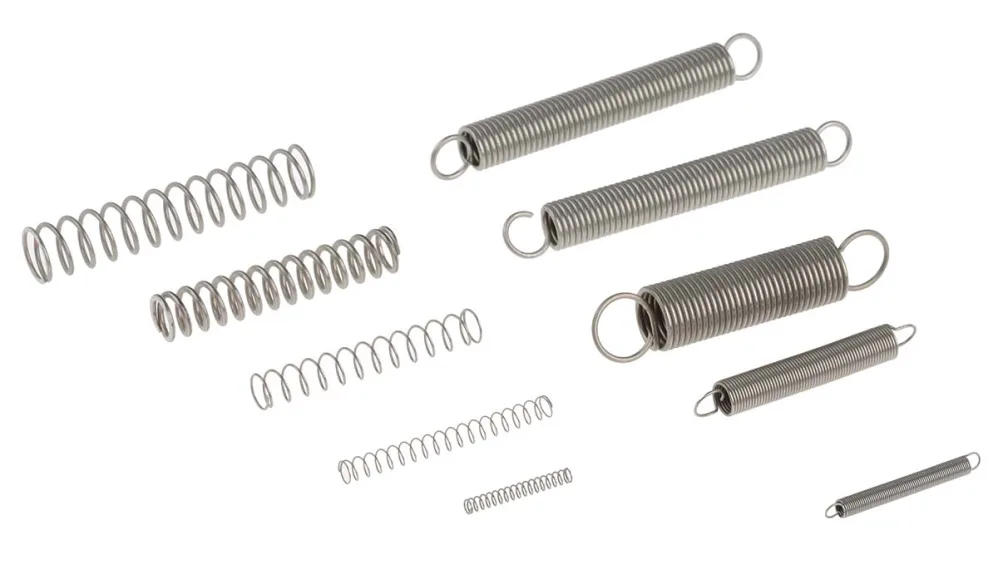
On the other hand, extension springs are found on both sides of the door tracks. These springs stretch when the door descends and compress as it rises. While they can be effective, they often produce more noise during operation.
You need to know these differences so that you can choose the right spring system for your needs. Additionally, knowing the type of spring can help with maintenance decisions down the line. Finally, if you know which type of garage door springs is installed, it can make troubleshooting much easier if issues arise later on.
Torsion Springs Life Expectancy
Torsion springs are one of the main components in many garage doors. They operate by twisting, which allows them to lift and lower the door smoothly. Typically, torsion springs have a life expectancy of around 10,000 to 15,000 cycles. One cycle refers to opening and closing the door once. For an average household that uses the garage several times daily, garage springs can last about seven to nine years.
Factors such as climate conditions and frequency of use can significantly influence their lifespan. Extreme temperatures may cause metal fatigue more quickly. This is why regular maintenance is vital. Lubricating the springs helps reduce friction and wear over time.
If you notice unusual noises or difficulty in operation, it may be time for an inspection. Suppose they’re beyond repair. You might need to replace the springs to restore your door functionality.
Extension Springs Life Expectancy
Extension springs are a common type of garage door spring, known for their ability to stretch as the door opens and closes. Their life expectancy typically ranges from 7,000 to 15,000 cycles. This means they can last anywhere from about five to seven years under regular use.
Several factors influence how long these springs will last. Regular maintenance, such as lubrication and inspections, can help prolong their lifespan significantly. The environment also plays a role. As with torsion springs, extreme temperatures or humidity may cause wear and tear more quickly.
If you notice that your door is not functioning smoothly or has become noisy during operation, it might be time to check those extension springs. Early detection of issues can save you stress down the line by preventing sudden failures when you need access most.
Why Should You Replace Garage Door Springs
Worn or broken garage door springs can lead to unexpected failures. These malfunctions often result in accidents, posing a risk to you and your family. This is why you need to replace them as soon as you notice their life has ended.
When it comes to the garage door spring cost, you can expect to pay anywhere from $150 to $300. However, it’s an investment that will pay off, and we’ll show you how.
Safety
A malfunctioning spring can lead to a sudden drop in the door. This poses a danger to anyone nearby and could potentially damage vehicles or other property. Regular maintenance is essential to ensure everything operates smoothly.
If you notice any signs of wear, such as rust or gaps in coils, it’s time to act quickly. Don’t attempt DIY repairs unless you have experience with high-tension systems. As you may know, improper handling can cause injury.
A professional garage door technician is trained to manage these dangerous components safely. They’ll inspect and replace worn springs while diligently following all safety measures. Prioritizing safety helps maintain peace of mind whenever you use your garage door.
Longer Lifespan
Another benefit of garage door spring replacement is that you’ll increase their lifespan. It can also significantly enhance the functionality of your garage door. Quality springs are engineered to endure countless cycles, typically ranging from 10,000 to 15,000 operations.
Investing in high-grade materials means you won’t be replacing them as frequently. This decision not only saves you time but also reduces the hassle involved with frequent repairs or replacements.
When springs last longer, they contribute to smoother operation. You’ll notice less strain on other components of your garage door system, too. A well-functioning spring helps maintain balance and stability.
This longevity translates into fewer interruptions in your daily routine. No one wants their day disrupted by a malfunctioning garage door. It’s an inconvenience easily avoided with durable springs installed correctly.
Lower Maintenance Costs
Finally, let’s talk about savings. When you replace old, worn-out springs with new ones, you’re also minimizing the need for frequent repairs. Newer springs tend to require less upkeep than older models that may have developed issues over time. This efficiency translates into lower maintenance costs overall, saving you money in the long run.

Investing in quality springs means fewer headaches and more reliability. Keeping up with regular inspections can further extend their lifespan and maintain low expenses associated with repairs or replacements.
Book your free assessment today and let our skilled garage door repair technicians help you with any issues.